Cherokee Nation
Timeline of Events
An advanced society
The Cherokee had a democracy and their own distinct culture. They had advanced farming, hunting, and tool making abilities.
Adapting to new threats
Cherokee leadership made strategic deals with those they encountered and would leverage fighting between the different groups of settlers. There were periods of peace and periods of raids. When the Revolutionary War began, a coalition sided with the British in the hopes of preventing further colonial takeover of their land.
A written language is established
Originally the Cherokee relied on a spoken language. Later, a written language was created based on their oral language. It was developed by Sequoyah, a fellow Cherokee, who served in the U.S. Army and felt that the Cherokee needed their own written language after seeing other U.S. soldiers write things down. He recognized that having a written language would be especially helpful against the onslaught of attempts to destroy their history and culture. In this written language, each symbol would represent a syllable. It quickly spread and in no time much of the Cherokee Nation was using it. They started to publish newspapers, literature, and more.
Removal!
After gold was found on Cherokee land in Georgia, the state legislature passed laws to end Cherokee control of the land. The issue went to court and the Supreme Court ruled in favor of the Cherokee Nation, but Georgia and the Federal government ignored the ruling and continued right along with their theft. The U.S. government orchestrated a "treaty" giving the territory to the government for 5 million dollars. A majority of tribal leaders disputed it, they contended no one with power had agreed to it and that people who made the agreement lacked authority as the land was not theirs. However, President Jackson moved forward with his plans to remove the Cherokee people from their land.
The Trail of Tears
The Cherokee were forcefully removed from their homeland during the Trail of Tears. They were forced to walk extremely long distances to a new home as part of the Indian Removal Act. They were removed to Oklahoma and were never given fair compensation. Conditions were horrendous and the people suffered. It is estimated that more than 15% of the native people on the journey died.
The Oklahoma Land Rush
When Oklahoma was to become a state, the government proceeded to shrink the land belonging to the native people who had been expelled. In doing so they allotted the native people each a plot, and then gave the very large "extra" to settlers through the Oklahoma Land Rush.
Hero and creator of the written language.
Sequoyah is the inventor of the Cherokee written language and a hero of his people. Having a written language allowed them to protect their culture by making a permanent record of their history and traditions. This was especially important in the face of forced assimilation, and the mass murder of their people.
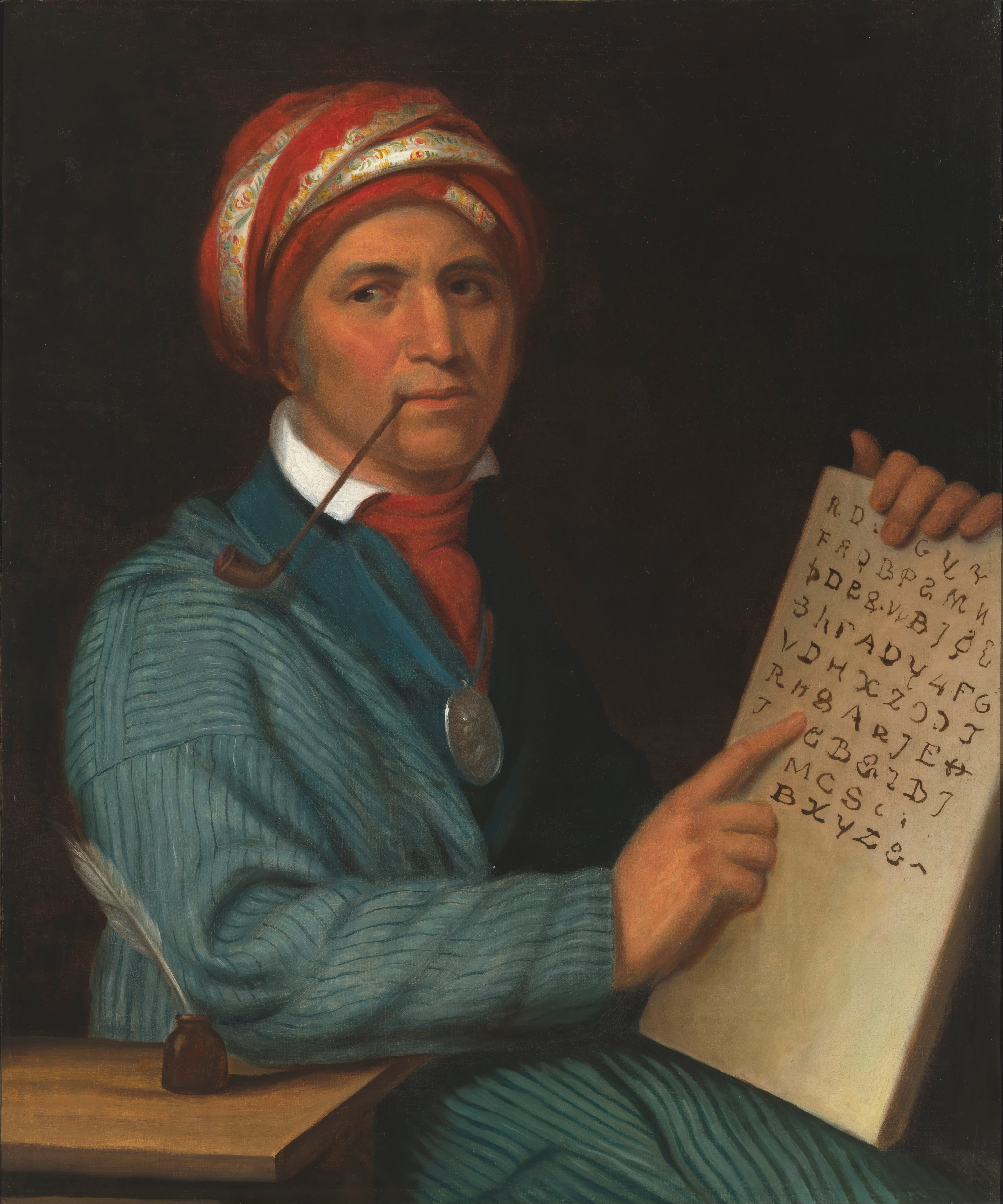
Other Notable Leaders
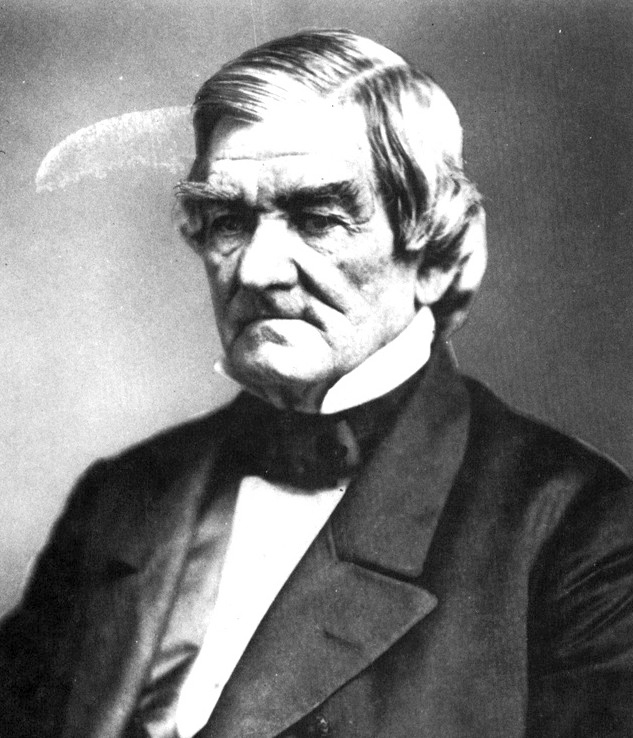
John Ross
Principal Chief of the Cherokee Nation from 1828-1866. Ross started as a a negotiator trying to stop U.S intrusion on Cherokee land. He eventually became chief and attempted to prevent the U.S. government from forcing them off their land. He organized supporters as the National Party to resist forced relocation by the U.S. government. However, the government eventually forced the Cherokee to leave their land, resulting in the Trail of Tears.
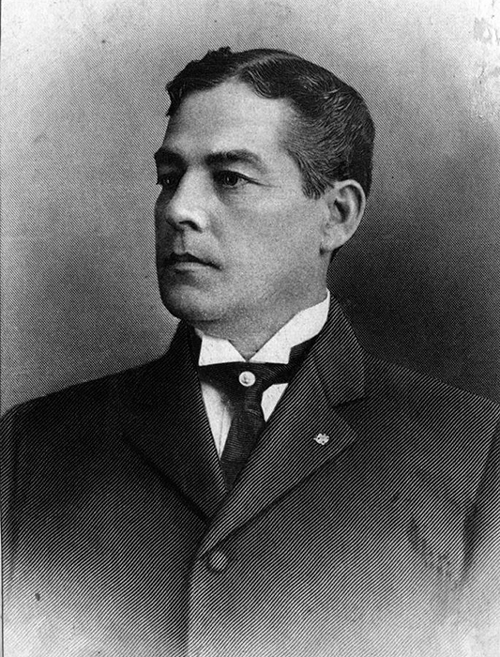
Robert L. Owen
Lawyer and U.S. Senator from Oklahoma. As a lawyer he won restitution from the U.S. for land taken from some Cherokee people during the forced removal. Later he became on of the first senators from the state of Oklahoma. When in the Senate, he was chairman of the Committee on the Five Civilized Tribes of Indians. He actively worked on concerns of Native Americans including land rights.
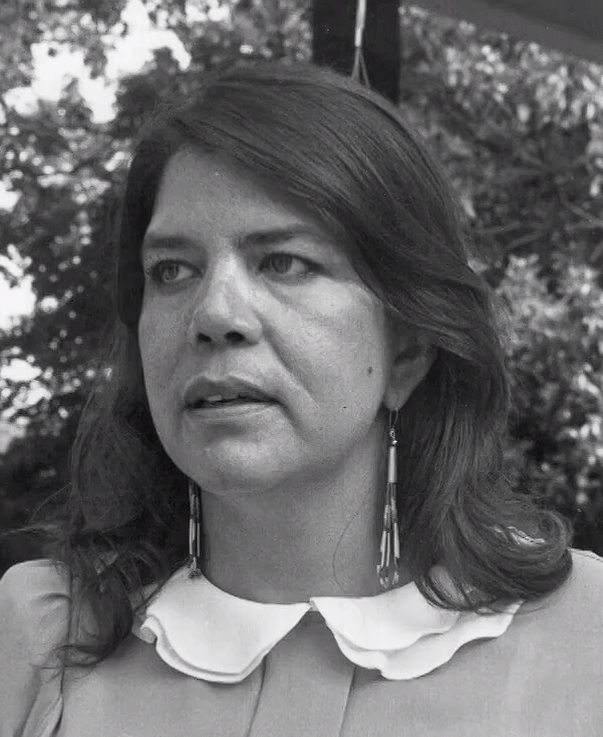
Wilma Mankiller
Activist, advocate, and Principal Chief. Her name in the Cherokee language is ᎠᏥᎳᏍᎩ ᎠᏍᎦᏯᏗᎯ and it is romanized as Atsilasgi Asgayadihi. She was an activist, social worker, and a supporter of Native American communities. She was the first female chief of Cherokee Nation. She worked to improve health services and education for her people as well as promoting economic growth.
Additional Information
Government
The Cherokee have had their own independent government which provided a means of resistance. Their current government is made up of legislative, executive and judicial branches. An elected chief heads the executive branch.
Fun Facts
In their language they call themselves ᎠᏂᏴᏫᏯᎢ, romanized: Aniyvwiyaʔi / Anigiduwagi, or ᏣᎳᎩ, Tsalagi.
Explore Cherokee Resistance
Thesis
While Native American resistance took many forms, the Cherokee Nation substantially relied on targeted cultural adaptation, as well as legal and diplomatic action as a means to counter U.S. imperialism.
 Return to Home